
Understanding Sports Broadcasting
What is Sports Broadcasting?
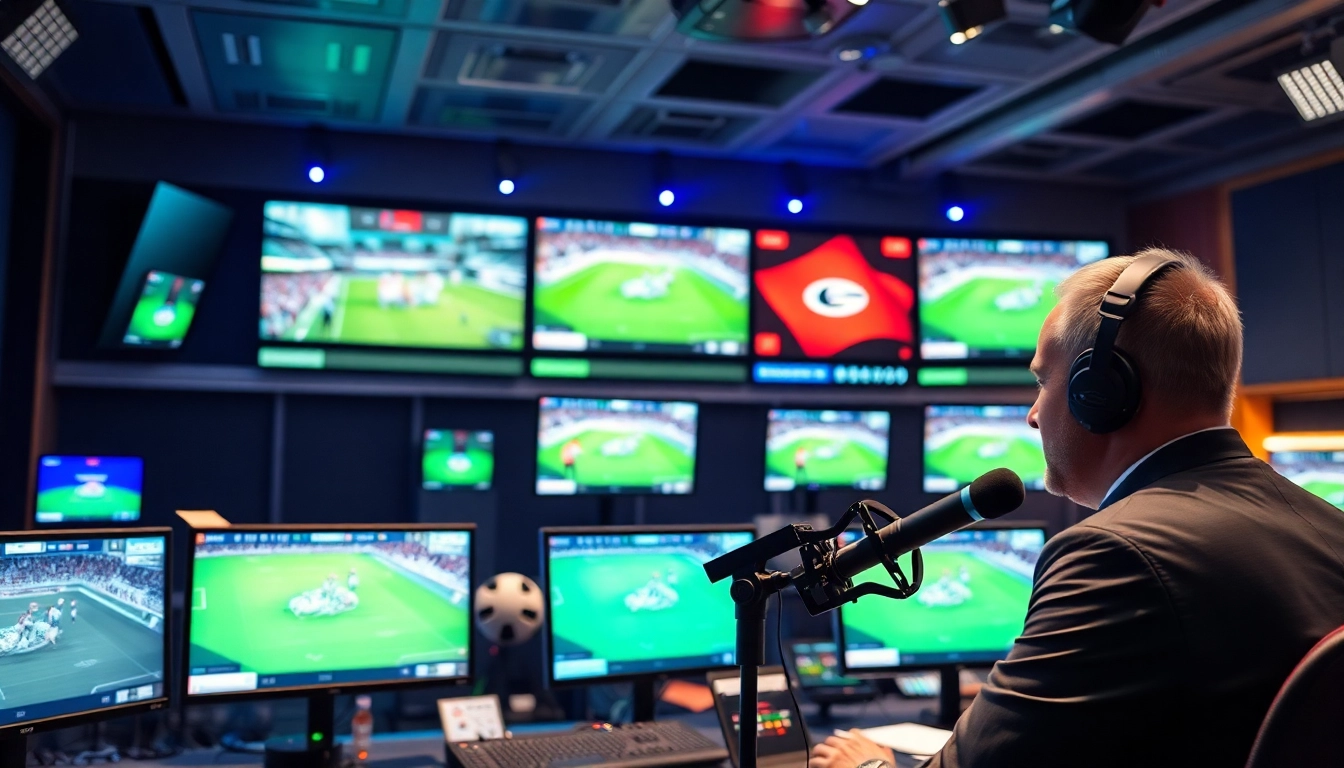
Sports broadcasting encompasses the live coverage and/or recorded presentation of sports events via television, radio, or online platforms. This dynamic field connects millions of fans with their favorite sports, delivering not just the action, but also analysis, commentary, and engaging content that adds depth and understanding to the games. With the evolution of technology, sports broadcasting has expanded to include streaming services, social media platforms, and podcasts, creating multiple avenues for fan engagement. The significance of Sports Broadcasting lies in its ability to bridge the gap between athletes and their supporters, fostering a communal experience of the sporting world.
History of Sports Broadcasting
The origins of sports broadcasting can be traced back to the early 20th century when the first radio broadcasts of sports events gained popularity. By the 1930s, radio became a staple for sports fans, allowing them to tune in and experience events live from the comfort of their homes. The advent of television in the 1950s marked a significant shift, as networks began to transmit live coverage of various sports. The first televised Major League Baseball game aired in 1939, and this milestone laid the foundation for the modern sports broadcasting industry.
As technology progressed, broadcasts became more sophisticated. Color television, instant replays, and specialized commentary teams started to enhance viewer experiences. The rise of cable television in the late 20th century further revolutionized sports broadcasting, providing dedicated sports channels that could cover events 24/7. Today, streaming services and social media have transformed the landscape, offering personalized viewing experiences and immediate access to highlights and analysis.
Key Players in Sports Broadcasting
The sports broadcasting industry comprises various key players, each essential for creating and delivering content to audiences. Major television networks such as ABC, NBC, CBS, and ESPN have established themselves as leaders in this field, often securing exclusive broadcasting rights for significant sporting events, including the Olympics, Super Bowl, and World Series.
In addition to traditional broadcasters, new entrants like online streaming platforms have disrupted the market, allowing for greater accessibility and convenience. Companies such as Amazon Prime Video and DAZN are gaining traction by offering unique sports content, often at competitive pricing. There are also a plethora of independent commentators, analysts, and journalists who contribute to the industry by providing insights, critical analysis, and real-time commentary, enriching the overall sports broadcasting experience.
Essential Equipment for Sports Broadcasting
Cameras and Audio Gear
High-quality visuals and sound are paramount in sports broadcasting. The type of cameras used can significantly affect the broadcast's overall quality. Professional broadcasters typically employ high-definition cameras capable of delivering 4K resolution for breathtaking picture quality. These cameras are often equipped with advanced features such as zoom capabilities, stabilization technology, and remote operation to capture the action seamlessly.
Audio quality is equally important; clear commentary and ambient sound enhance the viewer's experience. Microphones designed for live sports, such as lapel mics for commentators and shotgun mics for capturing field sounds, play a critical role in delivering an authentic experience. Additionally, broadcasting trucks equipped with audio mixing equipment allow for real-time adjustments to balance commentary with field noise effectively.
Broadcast Software Solutions
Broadcast software solutions are vital for managing live broadcasts, editing content, and distributing it across platforms. Professional sports broadcasters use software for live switching, graphic overlays, and replay functionality, ensuring a smooth transition between camera angles and visual elements. Applications such as OBS Studio and vMix provide versatile solutions for both live and recorded broadcasts, offering tools for scaling production value.
Additionally, cloud-based solutions have emerged, enabling remote production capabilities that allow teams to broadcast events without needing to be physically present on-site. This flexibility not only reduces costs but also opens up opportunities for broader coverage of events across multiple sports.
Transmission and Streaming Technologies
Transmission and streaming technologies form the backbone of modern sports broadcasting. Traditional methods often relied on satellite and cable transmission; however, the growth of the internet has led to a significant shift towards digital streaming. Technologies such as IP broadcasting and adaptive bitrate streaming ensure that viewers across different devices receive high-quality content regardless of their internet speed.
The use of CDNs (Content Delivery Networks) helps optimize the distribution of streaming content, reducing buffering times and improving the quality of experience for users. Broadcasting live events in real-time requires robust infrastructure and strategic partnerships to handle high traffic volumes, especially during peak sporting events.
Engaging Your Audience Through Sports Broadcasting
Creating Compelling Content
Content is key in sports broadcasting. Engaging storytelling, in-depth player profiles, and strategic analysis contribute to enriching the viewer’s experience. Broadcasters should focus on delivering content that resonates with fans, such as behind-the-scenes footage, interviews, and exclusive access to training sessions. Utilizing innovative formats like athlete vlogs or documentary-style programming can also draw in younger audiences who crave authenticity.
Furthermore, integrating analytics and statistics into broadcasts can enhance viewer engagement, providing fans with deeper insights while emphasizing the impact of critical plays and strategies during games.
Utilizing Social Media
Social media platforms present an invaluable opportunity for sports broadcasters to connect directly with audiences. By sharing highlights, conducting live Q&As, or engaging in real-time discussions during broadcasts, broadcasters can build a community and encourage viewer interaction. Platforms like Twitter and Instagram offer avenues for fans to engage with their favorite teams and athletes, fostering goodwill and increasing loyalty.
Moreover, strategic partnerships can amplify reach; broadcasters can collaborate with influencers and well-known personalities within the sport to leverage their audiences, creating a synergistic effect that benefits both parties.
Interactive Broadcasting Techniques
Interactive broadcasting techniques are changing the landscape of viewer engagement. Tools such as polls and live chats allow viewers to express their opinions and interact dynamically during the event. Additionally, augmented reality (AR) enhancements provide unique viewing experiences, enabling audiences to visualize game statistics, player information, and interactive graphics right on their screens.
Text-to-vote systems, where viewers can influence decisions such as which replays to show next, are also gaining popularity, making the viewing experience more immersive and participatory.
Challenges in Sports Broadcasting
Technical Difficulties
Even with advanced technology, technical difficulties remain a significant challenge in sports broadcasting. Issues such as equipment failure, connectivity disruptions, and power outages can impact live broadcasts, resulting in viewer frustration and diminished reputations for broadcasters. Implementing robust contingency plans, such as backup systems and reliable hardware, is crucial to minimize these risks.
Moreover, thorough testing of equipment before events, practicing with backup systems, and cross-training team members can help prepare for unexpected situations, ensuring smooth operations even in the face of adversity.
Maintaining Viewer Engagement
With the sheer volume of entertainment options available today, maintaining viewer engagement can be challenging. Broadcasters must continuously innovate to keep audiences interested, such as enhancing storytelling elements, diversifying content offerings, and introducing interactive features. Surveys and audience feedback are critical tools to gauge viewer interests, preferences, and pain points. This data can then inform future content strategies, helping keep broadcasts relevant and appealing.
Regulatory and Legal Issues
Navigating the legal landscape is yet another challenge in the sports broadcasting arena. Various rights and regulations must be adhered to, including licensing agreements for airing events and copyright issues for content distribution. Ensuring compliance with these laws is essential not only to protect the broadcaster’s interests but also to maintain the rights of athletes, teams, and sponsors.
Engaging legal advisors and staying updated with changes in broadcasting regulations can help prevent misunderstandings and mitigate risks associated with legal issues.
Future Trends in Sports Broadcasting
The Role of Augmented Reality
Augmented reality (AR) is set to reshape the sports broadcasting landscape, providing immersive experiences that enhance how fans interact with live events. By overlaying digital content such as graphics, statistics, and player profiles onto live broadcasts, audiences can gain insights in real time. This technology promises to transform viewing experiences, making them more engaging and information-rich.
Furthermore, AR can personalize experiences based on the viewer’s preferences, generating tailored content that resonates more deeply with individual audiences.
Data Analytics in Sports Viewing
The increasing intersection of data analytics and sports broadcasting is a trend that cannot be overlooked. Teams and broadcasters can analyze viewer habits and preferences through data collection, allowing for personalized content delivery. For instance, understanding peak viewing times or favorite segments can inform decisions about when and how to deliver specific broadcasts, optimizing viewer interactions and satisfaction.
Analytics can also enhance commentary and on-screen graphics during broadcasts, providing viewers with instant access to player statistics, game strategies, and historical context that enriches their understanding of the action.
Innovations in Audience Interaction
The future of sports broadcasting will likely hinge on continuous innovations in audience interaction. Interactive platforms that encourage real-time feedback and engagement can shape the future of broadcasts, catering to the needs of modern viewers who prefer active participation over passive consumption. Indeed, platforms that allow fans to choose camera angles or interact with commentators can cultivate a more personalized viewing experience, increasing overall satisfaction.
As technological advancements continue to unfold, expect to see even more creative solutions that redefine how fans experience sports on-screen, making broadcasts not just a viewing activity but an engaging community experience.
FAQs about Sports Broadcasting
What are the primary types of sports broadcasting?
Sports broadcasting primarily includes live TV broadcasts, radio coverage, and online streaming, each offering unique platforms for fans to engage with their favorite sports.
How has technology influenced sports broadcasting?
Technology has enhanced sports broadcasting through high-definition visuals, instant replays, and interactive features, improving viewer experience and engagement.
What challenges does the sports broadcasting industry face?
The sports broadcasting industry faces challenges such as technical difficulties, maintaining viewer engagement, and navigating regulatory issues related to content rights and distribution.
What role do data analytics play in sports broadcasting?
Data analytics helps broadcasters personalize content delivery, enhance commentary with insights, and understand viewer preferences for better audience engagement.
What is the future of sports broadcasting?
The future of sports broadcasting is shaped by advancements in AR, increased viewer interactivity, and evolving data analysis methods that cater to individual audience needs.